


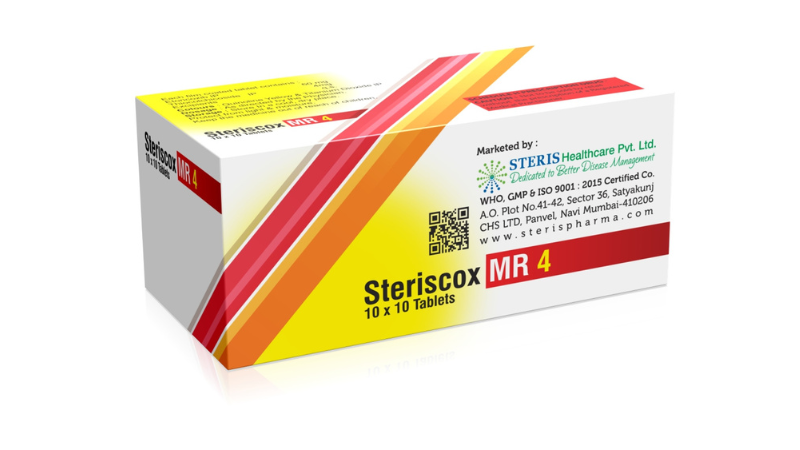



Etoricoxib (60mg), Thiocolchicoside (4mg) - Dosage, Side Effects, Price, Composition and More…..
Aug 12, 2024
Etoricoxib and thiocolchicoside tablets are prescription medicines used in appropriate patients when pain, inflammation, and painful muscle spasm occur together. This combination brings together etoricoxib, a selective COX-2 inhibitor NSAID that helps reduce pain and inflammation, and thiocolchicoside, a muscle relaxant used for painful muscle contractures in specific clinical situations.
What Are Etoricoxib and Thiocolchicoside Tablets?
Etoricoxib and thiocolchicoside tablets contain two active ingredients with different roles.
Etoricoxib belongs to the selective COX-2 inhibitor group of non-steroidal anti-inflammatory drugs (NSAIDs). It works by reducing the production of substances involved in pain and inflammation. Etoricoxib is used for certain painful inflammatory conditions, including osteoarthritis, rheumatoid arthritis, ankylosing spondylitis, and acute gout, depending on the prescribed strength and indication.
Thiocolchicoside is a centrally acting muscle relaxant used in some countries as short-term adjunctive treatment for painful muscle contractures associated with spinal conditions. European safety guidance restricts systemic thiocolchicoside to specific short-term uses and highlights important reproductive and genetic-safety precautions.
The combination may therefore be prescribed when a patient's pain involves both inflammation and muscle spasm. Whether this particular combination is appropriate depends on the diagnosis, medical history, other medicines, age, and the exact formulation.
How Does Etoricoxib and Thiocolchicoside Work?
The two ingredients address different components of musculoskeletal pain.
1. Etoricoxib for pain and inflammation
Etoricoxib selectively inhibits cyclooxygenase-2 (COX-2), an enzyme involved in producing prostaglandins associated with pain and inflammation. By reducing these inflammatory mediators, etoricoxib can help relieve pain and swelling in appropriate conditions.
However, etoricoxib is not suitable for everyone. It can increase blood pressure in some people and may increase cardiovascular risk, particularly in patients with certain existing heart or vascular conditions.
2. Thiocolchicoside for muscle spasm
Thiocolchicoside is used as a muscle-relaxing agent in selected patients with painful muscle contractures. Its role is different from that of etoricoxib: rather than primarily targeting inflammation, it is intended to help address muscle spasm or contracture.
Because systemic thiocolchicoside has important safety restrictions, it should be used only according to professional medical advice and for the recommended duration.
What Are Etoricoxib and Thiocolchicoside Tablets Used For?
Depending on the exact product and the doctor's diagnosis, this combination may be prescribed for painful musculoskeletal conditions associated with inflammation and muscle spasm.
Possible clinical situations can include certain forms of:
- Acute back or neck pain associated with muscle spasm
- Painful muscle contractures
- Musculoskeletal inflammation accompanied by muscle stiffness
- Other short-term painful conditions where both an anti-inflammatory medicine and muscle relaxant are considered appropriate
The indication should not be assumed simply from the ingredients. Your doctor should determine whether the combination is suitable for your particular condition.
Etoricoxib itself has established indications for several inflammatory and painful disorders, while systemic thiocolchicoside has more restricted short-term uses.
Etoricoxib and Thiocolchicoside Tablets: Benefits
When appropriately prescribed, the combination may provide a two-part approach to musculoskeletal pain:
Pain and inflammation control: Etoricoxib can reduce pain and inflammatory symptoms.
Muscle-spasm relief: Thiocolchicoside may help reduce painful muscle contractures.
Convenient combination therapy: When both ingredients are clinically indicated, combining them in one tablet can simplify administration compared with taking separate medicines.
The potential benefit should always be balanced against individual risk factors. A combination medicine is not automatically more appropriate than separate treatment, and it should not be taken simply because it worked for someone else.
How to Take Etoricoxib and Thiocolchicoside Tablets
Take this medicine exactly as prescribed by your doctor.
Do not select the strength or duration yourself. Etoricoxib dosing varies according to the medical condition, and the appropriate dose may also be affected by liver, kidney, cardiovascular, and other health factors. Official product information states that etoricoxib is generally administered orally and may be taken with or without food.
For thiocolchicoside, duration is particularly important. European safety recommendations limit systemic treatment to short-term use and specify maximum treatment durations for oral and intramuscular forms.
If you miss a dose
Follow the instructions supplied with your prescription or product. Do not automatically take a double dose to compensate for a missed tablet.
Can you take it for several weeks?
Do not continue the medicine beyond the prescribed period without consulting your doctor. Long-term or inappropriate use can increase the risk of medicine-related complications, while systemic thiocolchicoside is specifically subject to short-duration restrictions in safety guidance.
Etoricoxib and Thiocolchicoside Side Effects
Like all medicines, this combination can cause side effects.
Because the formulation contains two active ingredients, side effects may be related to either medicine. Potential problems associated with etoricoxib include stomach discomfort, dizziness, headache, swelling caused by fluid retention, and increased blood pressure. More serious reactions can also occur.
Seek urgent medical attention if you develop symptoms such as:
- Chest pain or significant shortness of breath
- Severe allergic swelling or difficulty breathing
- Black stools or severe/persistent abdominal pain
- Yellowing of the skin or eyes
- Severe or unusual skin reactions
These symptoms can indicate a serious adverse reaction and should not be ignored.
Who Should Avoid Etoricoxib and Thiocolchicoside Tablets?
This medicine may not be appropriate for people with certain medical conditions.
Etoricoxib is contraindicated or requires particular caution in situations including certain cardiovascular diseases, uncontrolled hypertension, active gastrointestinal ulceration or bleeding, severe liver disease, severe kidney impairment, pregnancy, and allergy to NSAIDs, depending on the product and applicable prescribing information.
Tell your doctor if you have:
- High blood pressure
- Heart disease or previous stroke
- Kidney or liver problems
- A history of stomach ulcers or gastrointestinal bleeding
- Asthma or previous reactions to NSAIDs
- Diabetes or high cholesterol
- Fluid retention or swelling
- Dehydration
- A history of cardiovascular disease
Etoricoxib can raise blood pressure in some patients, so blood-pressure monitoring may be appropriate.
Pregnancy, Breastfeeding and Thiocolchicoside Safety
Special care is required regarding thiocolchicoside.
European regulatory guidance states that systemic thiocolchicoside should not be used during pregnancy or breastfeeding, and women who could become pregnant should use appropriate contraception during treatment. The restrictions are related to concerns involving the metabolite of thiocolchicoside and abnormal chromosome numbers.
Etoricoxib is also contraindicated during pregnancy and lactation according to the referenced prescribing information.
If you are pregnant, breastfeeding, planning pregnancy, or could become pregnant, discuss the medicine with your doctor before taking it.
Etoricoxib and Thiocolchicoside Drug Interactions
Tell your doctor or pharmacist about all medicines and supplements you take.
Particular attention may be needed when etoricoxib is used with other NSAIDs, aspirin, medicines affecting blood pressure, diuretics, anticoagulants, or other medicines that can affect kidney function or cardiovascular risk.
Taking more than one NSAID without medical advice is especially important to avoid. The prescribing information warns about gastrointestinal complications and recommends caution in patients taking other NSAIDs or aspirin.
Do not assume that an over-the-counter painkiller is automatically safe to combine with this medicine.
Why Should You Use Etoricoxib and Thiocolchicoside Only on Medical Advice?
Pain and muscle stiffness can have many causes. A tablet that reduces symptoms does not necessarily treat the underlying problem.
For example, severe back pain accompanied by weakness, loss of bladder or bowel control, significant trauma, fever, or other concerning symptoms may require urgent medical assessment rather than self-treatment.
Similarly, repeated use of painkillers without identifying the underlying cause may delay appropriate diagnosis.
A doctor can assess whether your symptoms are caused by muscle spasm, inflammation, nerve involvement, joint disease, injury, infection, or another condition and then determine whether this combination is appropriate.
How to Store the Tablets
Keep the medicine in its original packaging and store it according to the product label or pharmacist's instructions.
Keep medicines away from children and do not use tablets after their expiry date.
If the tablets look damaged, discoloured, or otherwise unusual, ask a pharmacist before using them.
Buying Etoricoxib and Thiocolchicoside Tablets
Because this is a prescription-type medicine, purchasing decisions should focus on authenticity, correct strength, approved manufacturing, proper storage, and professional guidance, rather than simply choosing the lowest price.
Before purchasing, check:
- Active ingredients and strength
- Manufacturer details
- Batch number
- Expiry date
- Packaging integrity
- Prescription requirements applicable in your location
- Whether the product has been supplied through a legitimate pharmacy or authorised channel
Do not substitute a different strength or brand merely because the names appear similar.
Key Takeaway
Etoricoxib and thiocolchicoside tablets combine an anti-inflammatory pain medicine with a muscle-relaxing medicine and may be prescribed for selected painful musculoskeletal conditions involving inflammation and muscle spasm.
The combination is not suitable for everyone. Etoricoxib carries important cardiovascular, gastrointestinal, kidney, liver, blood-pressure, and allergy-related precautions, while systemic thiocolchicoside has significant restrictions concerning duration, pregnancy, breastfeeding, and reproductive safety.
For safe use, follow the prescribed dose and duration, disclose your complete medical history and current medicines, and consult a healthcare professional if symptoms worsen or unusual reactions occur.
Frequently Asked Questions About Etoricoxib and Thiocolchicoside Tablets
1. What are etoricoxib and thiocolchicoside tablets used for?
They may be prescribed for selected painful musculoskeletal conditions where inflammation and muscle spasm or contracture occur together. The exact indication depends on the diagnosis and product formulation.
2. Is etoricoxib and thiocolchicoside a painkiller?
It can help relieve pain through two different mechanisms. Etoricoxib is an anti-inflammatory NSAID, while thiocolchicoside is used as a muscle-relaxing medicine.
3. Can etoricoxib and thiocolchicoside tablets reduce back pain?
They may be prescribed for certain types of acute back pain associated with inflammation and muscle spasm. However, back pain has many possible causes, so medical assessment is important.
4. Can I take etoricoxib and thiocolchicoside without a prescription?
You should use this combination only according to professional medical advice, particularly because etoricoxib has important cardiovascular and gastrointestinal precautions and thiocolchicoside has specific safety restrictions.
5. How long can I take etoricoxib and thiocolchicoside?
The duration should be determined by your doctor. Systemic thiocolchicoside is intended for short-term use, and European safety guidance places specific limits on treatment duration.
6. Can I take etoricoxib and thiocolchicoside after food?
Etoricoxib can generally be taken with or without food according to product information. Follow the instructions for your specific combination product and prescription.
7. What are the common side effects of etoricoxib?
Possible side effects include stomach discomfort, headache, dizziness, swelling, and increased blood pressure. Other reactions are possible, including serious ones.
8. Can etoricoxib increase blood pressure?
Yes. Etoricoxib can increase blood pressure in some people, particularly at higher doses, so patients with hypertension may require monitoring.
9. Can I take etoricoxib if I have heart disease?
Not without medical advice. Etoricoxib is contraindicated in certain cardiovascular conditions, including established ischemic heart disease, some forms of heart failure, peripheral arterial disease, and cerebrovascular disease.
10. Is etoricoxib safe for kidney patients?
It depends on kidney function and the individual's circumstances. Severe renal impairment is a contraindication in the referenced prescribing information, so patients with kidney disease should consult their doctor before use.
11. Can pregnant women take etoricoxib and thiocolchicoside?
Systemic thiocolchicoside should not be used during pregnancy, and etoricoxib is also contraindicated during pregnancy in the referenced product information. Speak with a healthcare professional before taking either medicine during pregnancy.
12. Can I take thiocolchicoside while breastfeeding?
Systemic thiocolchicoside is not recommended during breastfeeding according to European safety guidance.
13. Can etoricoxib and thiocolchicoside make you sleepy?
Some people may experience dizziness or other central nervous-system effects. If you feel dizzy, drowsy, or impaired, avoid driving or operating machinery and seek professional advice.
14. Can I take another painkiller with etoricoxib?
Do not add another NSAID or painkiller without checking with a doctor or pharmacist. Combining medicines unnecessarily can increase adverse-effect risks.
15. Can etoricoxib and thiocolchicoside cure muscle pain permanently?
No. The medicines are intended to manage symptoms in appropriate situations. Persistent or recurrent pain should be evaluated to identify and treat its underlying cause.
16. Is thiocolchicoside safe for long-term use?
Systemic thiocolchicoside is subject to short-term-use restrictions. European safety guidance recommends it only as short-term adjunctive treatment for specific conditions and limits treatment duration.
17. What should I do if I miss a dose?
Follow the instructions supplied with your prescription or medicine. Do not take an extra dose unless a healthcare professional specifically advises you to do so.
18. When should I stop taking etoricoxib and seek medical help?
Seek urgent medical attention for symptoms such as chest pain, serious breathing difficulty, severe allergic swelling, black stools, severe persistent abdominal pain, or yellowing of the skin or eyes.
19. Can I buy etoricoxib and thiocolchicoside tablets online?
Where legally permitted, medicines should be obtained through a legitimate, authorised pharmacy and used according to professional advice. Verify the product, strength, manufacturer, expiry date, and packaging before use.
20. What is the most important precaution with etoricoxib and thiocolchicoside?
Use the medicine only at the prescribed strength and duration, and tell your doctor about heart disease, high blood pressure, kidney or liver problems, gastrointestinal ulcers, pregnancy or breastfeeding, allergies, and all other medicines you take.
21. Etoricoxib and thiocolchicoside tablets how many times a day?
Usually once daily, but the exact dose depends on tablet strength and your prescription. Etoricoxib is generally once daily.
Recent Post
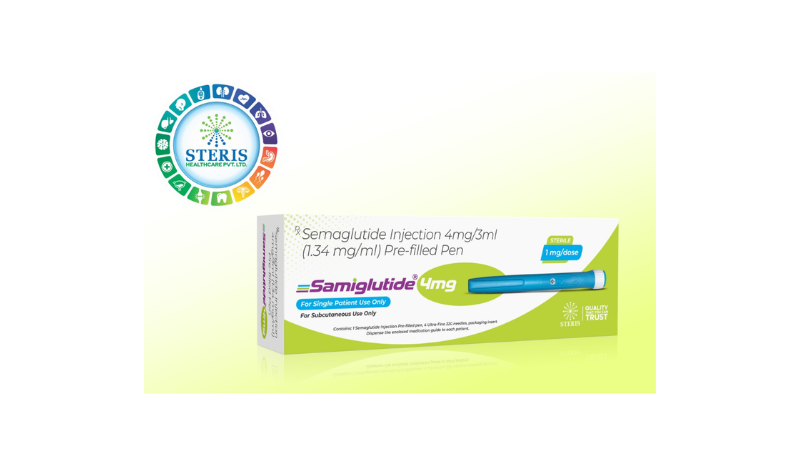
Semaglutide 4mg vs Pancreatitis Risk: What Doctors Want You to Know
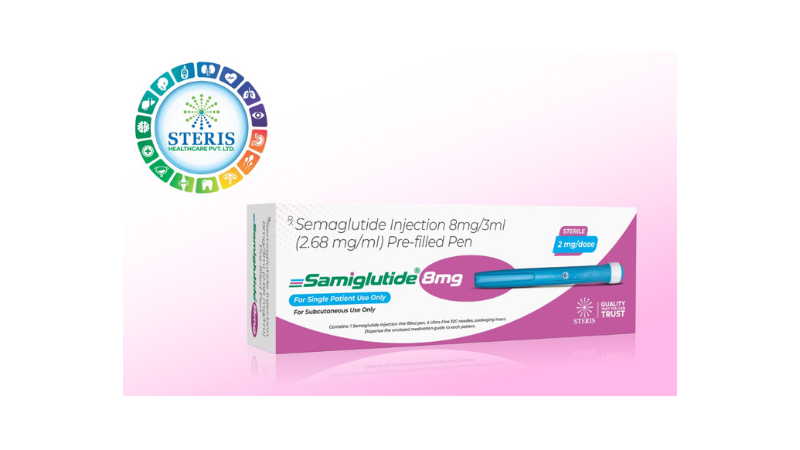
Semaglutide 8mg Injection: Frequently Asked Questions Answered by Experts
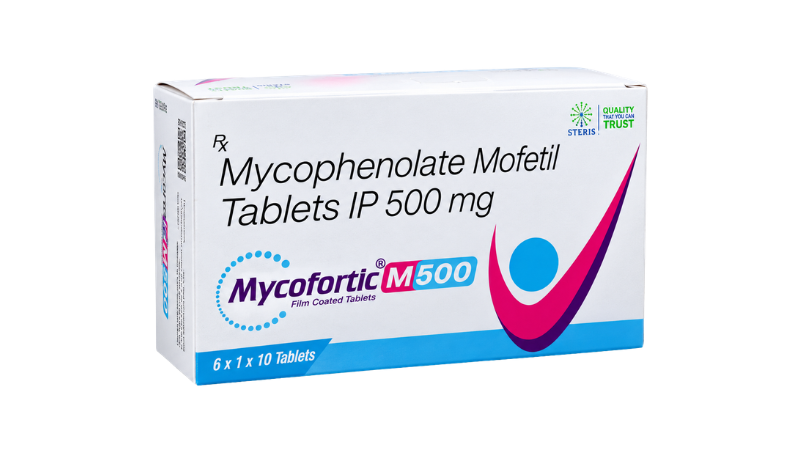
Mycophenolate Mofetil 500mg (Mycofortic M 500): Uses, Benefits & Precautions – Complete Guide
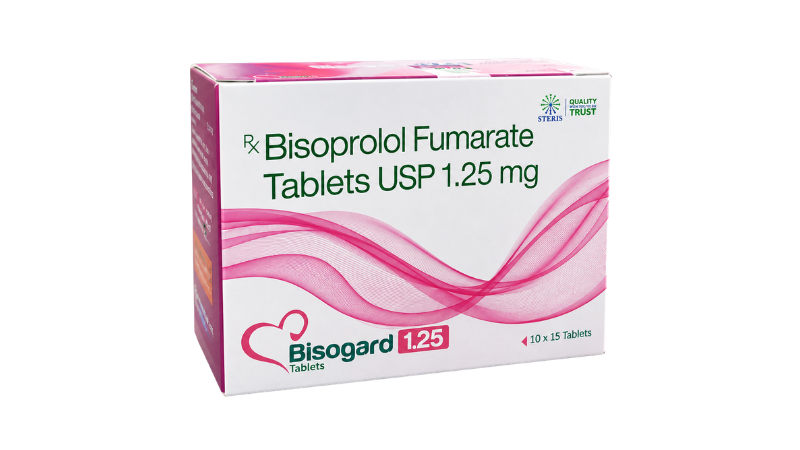
What is Bisogard 1.25? Bisoprolol 1.25mg Uses, Dosage & Side Effects Explained

Can Semaglutide Injection Be Used Without Diabetes?

What Are Nintedanib Soft Gelatin Capsules Used For? Complete Guide

Where to Buy Semaglutide Injection in India: Price, Pen & Prescription Guide
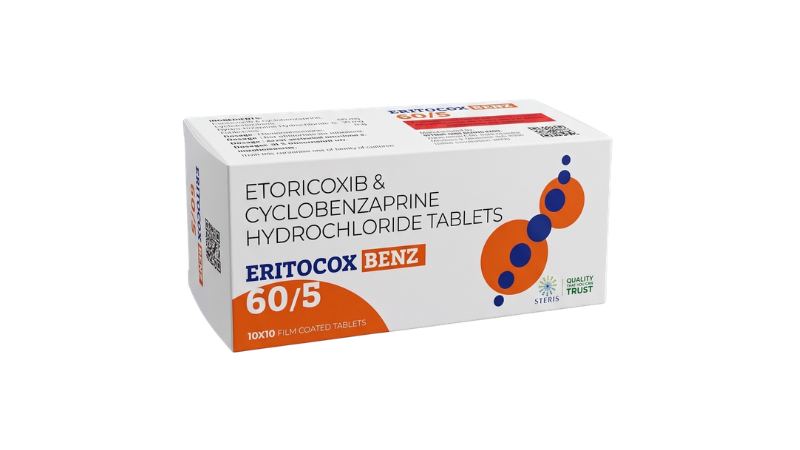
ERITOCOX BENZ 60/5 Dosage Guide: How to Take Etoricoxib & Cyclobenzaprine Tablets Safely

Gabapentin and Methylcobalamin Tablets Side Effects: What Patients Should Know
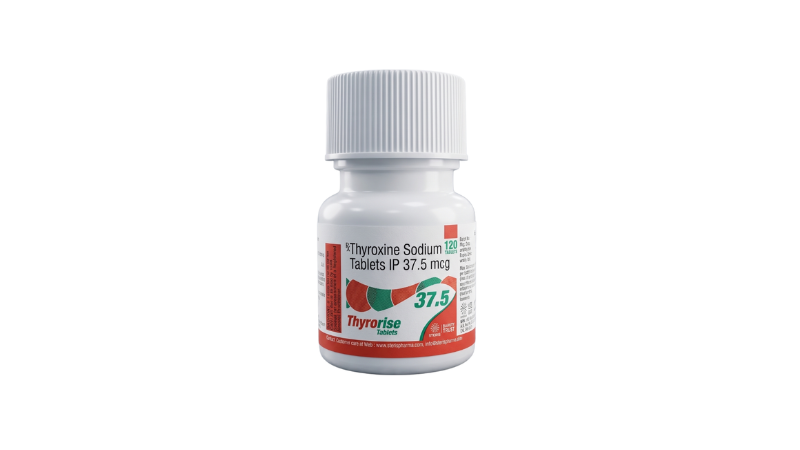
Thyroxine sodium tablets IP: उपयोग, फायदे और साइड इफेक्ट्स